Published on November 30, 2024
Museum Egypt: The Ultimate Guide to Fashion & Textile Exhibits
Create the perfect itinerary combining Egypt's top museums with fashion and textile exhibits. This comprehensive guide covers opening hours, must-see collections, photography policies, and how to maximize your cultural experience.
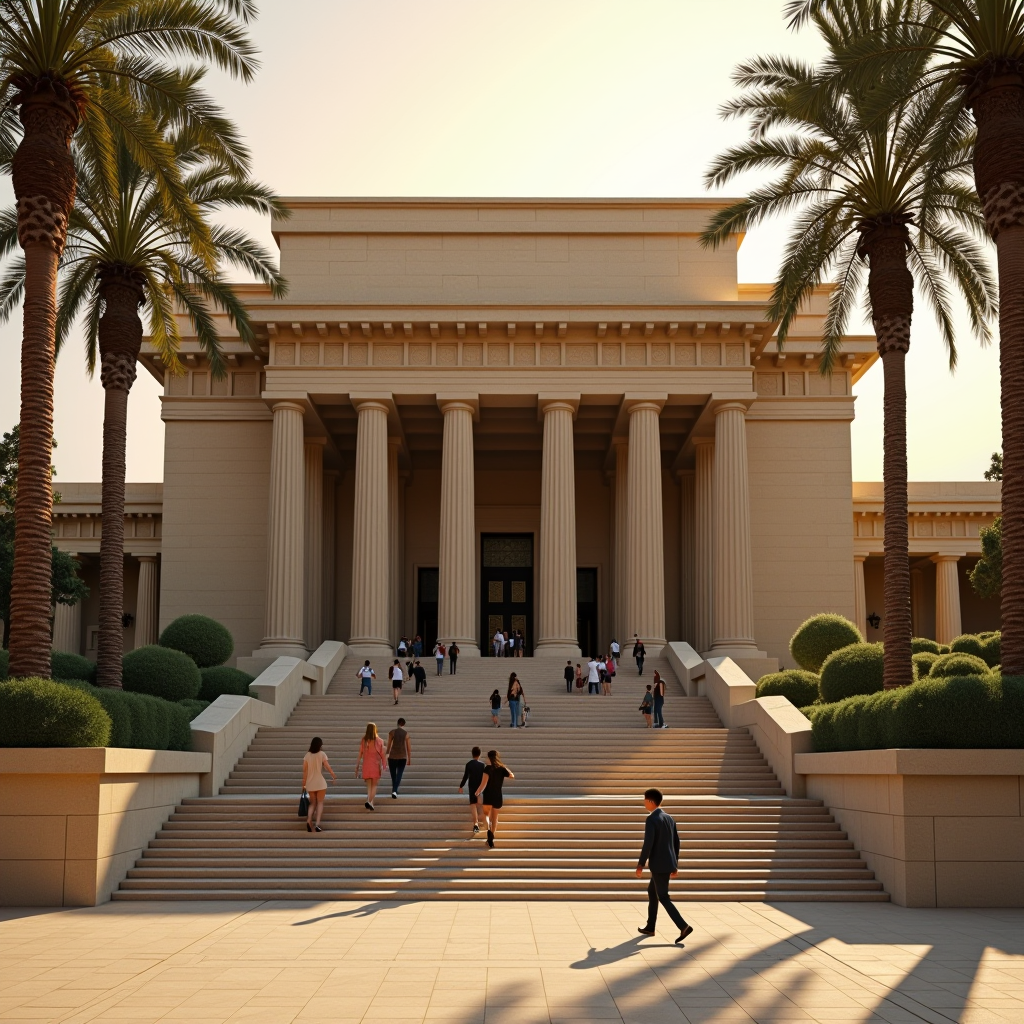
Planning Your Museum Egypt Journey
When you visit museum Egypt locations, you're embarking on a journey through thousands of years of textile artistry and fashion evolution. Egypt's museums house some of the world's most extraordinary collections of ancient garments, royal textiles, and traditional crafts that tell the story of human creativity and cultural expression. From the intricate linen wrappings of pharaohs to the vibrant embroidered robes of Ottoman-era nobility, these institutions preserve the threads that connect us to our past.
The key to maximizing your museum Egypt experience lies in careful planning and understanding what each venue offers. This guide will help you navigate the country's premier institutions, focusing specifically on their fashion and textile collections while providing practical information about visiting hours, ticket policies, and insider tips for making the most of your cultural exploration.
Whether you're a fashion historian, textile enthusiast, or simply curious about ancient Egyptian style, this comprehensive itinerary will ensure you don't miss any of the remarkable collections that showcase how Egyptians have adorned themselves throughout millennia. From Cairo's grand institutions to specialized museums in Luxor and Alexandria, we'll cover everything you need to know to plan your perfect museum-hopping adventure.
Understanding the layout, timing, and special exhibitions at each museum Egypt location will transform your visit from a simple tour into an immersive educational experience. We'll explore not just what to see, but when to see it, how to photograph it, and how to connect the dots between different collections to gain a deeper appreciation of Egyptian textile traditions and fashion evolution.
The Egyptian Museum Cairo: Textile Treasures of the Pharaohs
The Egyptian Museum in Tahrir Square stands as the crown jewel of any museum Egypt itinerary, housing over 120,000 artifacts including an exceptional collection of ancient textiles and royal garments. Located in the heart of Cairo, this iconic pink building has been the guardian of Egypt's archaeological heritage since 1902, and its textile collection offers unparalleled insights into ancient Egyptian fashion and craftsmanship.
Opening Hours and Best Times to Visit
The museum operates daily from 9:00 AM to 5:00 PM, with extended hours until 9:00 PM on Thursdays and Sundays during peak season. For the best experience viewing the textile collections, arrive right when doors open at 9:00 AM or visit after 3:00 PM when tour groups have typically departed. The textile galleries on the second floor are particularly quiet during early morning hours, allowing you to examine the delicate fabrics and intricate weaving patterns without crowds.
Must-See Fashion and Textile Collections
The Tutankhamun galleries contain some of the most spectacular examples of royal fashion, including the young pharaoh's linen tunics, elaborately decorated sandals, and ceremonial robes adorned with gold thread and precious stones. Room 56 specifically houses textile fragments from various dynasties, showcasing the evolution of weaving techniques from simple linen to complex tapestry work. Don't miss the collection of pleated garments in Room 43, which demonstrates the sophisticated pleating methods that ancient Egyptians perfected over 4,000 years ago.
The museum's mummy room, accessible with an additional ticket, contains preserved textiles wrapped around royal mummies, offering a unique perspective on burial customs and the importance of fabric in the afterlife. These linen wrappings, some measuring hundreds of meters in length, represent the pinnacle of ancient Egyptian textile production and provide valuable information about dyeing techniques, fiber preparation, and weaving patterns used in funerary contexts.
Photography Policies and Guidelines
Photography is permitted in most areas of the museum for an additional fee of 50 Egyptian pounds, but flash photography is strictly prohibited to protect the delicate textiles from light damage. The Tutankhamun galleries and the Royal Mummy Room have a complete photography ban to preserve these priceless artifacts. When photographing textile displays, use your camera's highest ISO setting and steady your hands against display cases to capture clear images without flash. Museum staff are vigilant about enforcing these rules, so respect the restrictions to help preserve these ancient treasures for future generations.
National Museum of Egyptian Civilization: Contemporary Context for Ancient Crafts
Opened in 2021 in Fustat, the National Museum of Egyptian Civilization (NMEC) represents a modern approach to presenting Egypt's cultural heritage, with dedicated galleries exploring textile traditions from prehistoric times through the modern era. This state-of-the-art facility offers climate-controlled environments perfect for preserving delicate fabrics and provides interactive displays that bring ancient fashion to life.
Textile Hall Highlights
The museum's Textile Hall showcases the evolution of Egyptian fabric production across seven millennia, featuring everything from predynastic basket weaving to Coptic tapestries and Islamic-era embroidered garments. The collection includes rare examples of naturally dyed fabrics in vibrant reds, blues, and yellows that have survived thousands of years, demonstrating the sophisticated color palette available to ancient Egyptian artisans. Interactive touchscreens allow visitors to explore weaving techniques, fiber sources, and the social significance of different garment types throughout Egyptian history.
One of the most impressive displays features a reconstructed ancient Egyptian loom alongside video demonstrations showing how weavers created the fine linen that made Egyptian textiles famous throughout the ancient world. The museum also houses an exceptional collection of Coptic textiles from the 4th to 12th centuries CE, including tunics, shawls, and wall hangings that bridge the gap between pharaonic and Islamic textile traditions.
Visiting Information and Accessibility
NMEC operates from 9:00 AM to 5:00 PM daily, with Friday hours extending until 9:00 PM. The museum is fully wheelchair accessible with elevators connecting all floors and wide corridors throughout the textile galleries. Audio guides are available in multiple languages for 30 Egyptian pounds and provide detailed commentary on the textile collections. Photography is allowed without flash throughout the museum at no additional charge, making it an excellent location for documenting your museum Egypt journey through fashion and textiles.
The museum's location in Fustat, near Old Cairo, makes it easy to combine with visits to the Coptic Museum and Islamic Cairo's textile souks, creating a comprehensive day exploring Egypt's fabric heritage from ancient times to the present. The on-site café offers views of the museum's lake and provides a comfortable spot to review your photos and plan the rest of your itinerary.
Coptic Museum: Early Christian Textile Artistry
Nestled in the heart of Old Cairo, the Coptic Museum houses one of the world's finest collections of Coptic textiles, representing a crucial period in Egyptian fashion history when Christian iconography merged with pharaonic and Greco-Roman artistic traditions. This specialized museum Egypt location offers an intimate look at how textile design evolved during Egypt's early Christian period from the 3rd to 12th centuries CE.
Exceptional Textile Collections
The museum's textile galleries display over 2,000 pieces of Coptic fabric art, including complete tunics, decorative bands, shawls, and tapestry fragments featuring Christian symbols, mythological scenes, and geometric patterns. The preservation quality is remarkable, with many pieces retaining their original vibrant colors in purples, reds, greens, and golds. Room 6 contains the museum's most celebrated pieces, including a complete child's tunic from the 5th century with intricate woven medallions depicting biblical scenes.
What makes the Coptic Museum's collection particularly valuable for fashion enthusiasts is the presence of complete garments rather than just fragments, allowing visitors to understand how these textiles were actually worn and constructed. The museum displays several examples of the distinctive Coptic tunic style, which influenced Byzantine and early Islamic fashion throughout the Mediterranean region. Detailed labels explain the weaving techniques, including tapestry weaving, loop weaving, and resist dyeing methods that Coptic artisans perfected.
Practical Visiting Details
The Coptic Museum opens daily from 9:00 AM to 5:00 PM, with the last entry at 4:00 PM. The museum is relatively small and can be thoroughly explored in 2-3 hours, making it perfect for a morning or afternoon visit. Photography is permitted without flash for a 50 Egyptian pound fee. The museum's garden courtyard provides a peaceful setting for breaks between galleries, and the gift shop sells excellent reproductions of Coptic textile patterns and scholarly books on early Christian Egyptian fashion.
Luxor Museum: Royal Fashion of the New Kingdom
While smaller than Cairo's major institutions, the Luxor Museum punches above its weight with a carefully curated collection focusing on the New Kingdom period (1550-1070 BCE), when Egyptian fashion reached its most elaborate and sophisticated forms. This museum Egypt gem offers an intimate viewing experience with exceptionally well-preserved artifacts displayed in modern, climate-controlled galleries.
Fashion Artifacts and Royal Regalia
The museum's collection includes remarkable examples of royal jewelry, sandals, and ceremonial garments that illustrate the opulence of New Kingdom court fashion. The display of Queen Nefertari's jewelry and accessories provides insights into how royal women adorned themselves, while the collection of pharaonic sandals demonstrates the variety of footwear styles available to the elite. Several cases contain fragments of pleated linen garments with their original pleating still intact, showcasing the technical mastery of ancient Egyptian textile workers.
The museum's Glory Hall features statues and reliefs that depict clothing styles in exquisite detail, allowing visitors to see how garments were draped, pleated, and accessorized. These sculptural representations complement the actual textile fragments on display, providing a complete picture of New Kingdom fashion. The museum also houses a collection of cosmetic implements, wigs, and personal grooming tools that reveal the comprehensive approach ancient Egyptians took to personal appearance and style.
Visiting Hours and Photography
The Luxor Museum operates from 9:00 AM to 2:00 PM and 5:00 PM to 10:00 PM during winter months, with adjusted hours in summer. The evening hours offer a particularly pleasant visiting experience when temperatures are cooler and the museum is less crowded. Photography is allowed throughout the museum without additional fees, though flash photography remains prohibited. The museum's modern lighting system is designed to protect artifacts while providing excellent illumination for photography, making it one of the best museum Egypt locations for capturing detailed images of ancient fashion and textiles.
Museum of Islamic Art Cairo: Medieval and Ottoman Textile Splendor
For those interested in later periods of Egyptian fashion history, the Museum of Islamic Art in Cairo houses one of the world's most comprehensive collections of Islamic textiles, including Egyptian-made fabrics from the 7th century through the Ottoman period. This often-overlooked museum Egypt treasure provides essential context for understanding how Egyptian textile traditions evolved after the Arab conquest and continued to influence global fashion.
Textile Galleries and Collections
The museum's textile section spans multiple galleries showcasing the evolution of Islamic Egyptian fashion from simple early Islamic garments to the elaborate embroidered robes of the Ottoman era. The collection includes rare examples of Fatimid-era tiraz textiles, which were state-manufactured fabrics bearing inscriptions and used as diplomatic gifts and symbols of authority. These pieces demonstrate the continuation of Egypt's reputation for fine textile production into the Islamic period.
Particularly impressive are the Ottoman-era kaftans, embroidered with gold and silver thread in intricate floral and geometric patterns. The museum displays several complete ensembles showing how these garments were layered and accessorized, providing valuable information for costume historians and fashion enthusiasts. The collection also includes examples of tent panels, carpets, and decorative textiles that showcase the full range of Egyptian textile production during the Islamic period.
Visitor Information and Special Exhibitions
The Museum of Islamic Art operates from 9:00 AM to 5:00 PM daily except Fridays, when it opens at 9:00 AM and closes at 12:00 PM for midday prayers, reopening from 1:30 PM to 5:00 PM. The museum regularly hosts temporary exhibitions focusing on specific aspects of Islamic textile arts, so check their website before visiting to see if any special displays align with your interests. Photography is permitted for a 50 Egyptian pound fee, and the museum's modern galleries provide excellent lighting for capturing the intricate details of embroidered and woven textiles.
Creating Your Perfect Museum Egypt Itinerary
With so many exceptional museum Egypt locations to explore, creating an efficient itinerary requires careful planning to maximize your time while avoiding museum fatigue. A well-structured approach allows you to see the best fashion and textile collections while leaving time to absorb and appreciate what you've experienced.
Three-Day Cairo Museum Circuit
Day one should focus on the Egyptian Museum in Tahrir Square, arriving at opening time to beat the crowds. Spend the morning exploring the textile collections on the second floor and the Tutankhamun galleries, then break for lunch before returning for the Royal Mummy Room in the afternoon. Day two can be dedicated to the National Museum of Egyptian Civilization, where you can spend a full day exploring the comprehensive textile timeline from prehistoric to modern times. Day three should combine the Coptic Museum in the morning with the Museum of Islamic Art in the afternoon, as both are relatively compact and can be thoroughly explored in half-day visits.
Adding Luxor to Your Journey
If your Egypt trip includes Luxor, dedicate an evening to the Luxor Museum, taking advantage of the cooler temperatures and smaller crowds during the 5:00 PM to 10:00 PM session. The museum's compact size means you can see everything in 2-3 hours while still having time to explore Luxor's other attractions during the day. This approach also allows you to photograph the artifacts under the museum's excellent evening lighting conditions.
Practical Tips for Museum Hopping
Purchase a notebook or use a note-taking app to record observations about specific pieces that interest you, including room numbers and artifact identification numbers for future reference. Wear comfortable shoes as you'll be standing and walking for several hours. Bring a light jacket or shawl as museum air conditioning can be quite cold, especially in the newer facilities. Stay hydrated but be aware that food and drinks are not allowed in gallery spaces. Consider hiring a specialized guide for at least one museum visit to gain deeper insights into textile techniques and historical context that might not be apparent from labels alone.
Most importantly, don't try to see everything in one visit. Focus on quality over quantity, spending time really examining the pieces that interest you most rather than rushing through to check every item off a list. The beauty of museum Egypt collections is that they reward careful observation and contemplation, revealing new details and insights the longer you look.
Maximizing Your Cultural Experience
Visiting museum Egypt locations dedicated to fashion and textiles offers more than just viewing ancient artifacts; it provides an opportunity to understand the cultural, economic, and artistic forces that shaped Egyptian society across millennia. To truly maximize your experience, consider these strategies for deeper engagement with the collections.
Understanding Context and Connections
Before visiting each museum, spend time researching the historical periods represented in their collections. Understanding the political, religious, and economic context of different eras helps you appreciate why certain textile techniques flourished or declined, why particular colors or patterns were favored, and how fashion reflected social hierarchies and cultural values. Many museums offer pre-visit resources on their websites, including virtual tours and collection highlights that can help you prioritize what to see.
Look for connections between different museums' collections. For example, the transition from pharaonic to Coptic textile styles becomes clearer when you visit both the Egyptian Museum and the Coptic Museum in sequence. Similarly, understanding Islamic textile traditions is enriched by first seeing the Coptic pieces that influenced early Islamic Egyptian weavers. These connections create a narrative thread that makes your museum Egypt journey more coherent and meaningful.
Engaging with Museum Resources
Take advantage of audio guides, which often include detailed information about textile techniques, materials, and cultural significance that isn't included on wall labels. Many museums now offer smartphone apps with additional images, videos, and scholarly commentary that can enhance your understanding of the collections. Don't hesitate to ask museum staff questions; many are knowledgeable enthusiasts who enjoy sharing insights about the collections.
Museum shops often sell scholarly publications, exhibition catalogs, and specialized books about Egyptian textiles that aren't available elsewhere. These resources can deepen your understanding long after your visit ends. Some museums also offer workshops or lectures on textile conservation, ancient weaving techniques, or specific aspects of Egyptian fashion history. Check museum calendars for these special programs, which can provide hands-on learning experiences that complement your gallery visits.
Photography as a Learning Tool
When photography is permitted, use your camera as a tool for closer observation rather than just documentation. Photograph details like weaving patterns, embroidery stitches, or color combinations that interest you. Later, when reviewing your photos, you'll often notice details you missed during your visit. Create a digital archive organized by museum, period, and textile type to build a personal reference library for future study or creative inspiration.
Remember that the goal isn't to photograph everything, but to capture pieces that particularly resonate with you or illustrate specific techniques you want to remember. Take notes on your phone about what drew you to particular pieces, questions that arose during your viewing, or connections you noticed between different artifacts. These observations will be valuable when you review your photos later and try to recall your impressions and insights.
Conclusion: Your Journey Through Egyptian Fashion History
Exploring museum Egypt collections dedicated to fashion and textiles offers an unparalleled opportunity to trace the evolution of human creativity and cultural expression through one of civilization's most essential crafts. From the pristine linen of pharaonic Egypt to the elaborate embroideries of the Ottoman period, these museums preserve the threads that connect us to our ancestors and illuminate the universal human desire to create beauty and express identity through clothing.
By following this comprehensive guide, you'll be well-prepared to navigate Egypt's premier museums, understand their collections, and create meaningful connections with the textiles and fashion artifacts they preserve. Whether you're a scholar, designer, textile artist, or simply someone fascinated by the intersection of art, culture, and daily life, these museums offer endless opportunities for discovery and inspiration.
Remember that each visit to a museum Egypt location is just the beginning of a deeper relationship with these collections. The more you learn about ancient and traditional Egyptian textiles, the more you'll appreciate the skill, creativity, and cultural significance embedded in every thread. Take your time, ask questions, make connections, and allow these remarkable artifacts to transport you across millennia of human ingenuity and artistic achievement.
Your journey through Egypt's fashion and textile museums will not only enrich your understanding of the past but may also inspire new perspectives on contemporary design, sustainability, and the enduring power of handcrafted textiles. As you plan your itinerary and prepare to visit museum Egypt locations, remember that you're not just viewing artifacts—you're connecting with the hands, hearts, and minds of countless artisans who transformed simple fibers into objects of beauty, meaning, and lasting cultural significance.