Published on December 8, 2025
Unveiling Cairo's Hidden Gem: A Journey Through the Textile Museum
Discover centuries of Egyptian fabric artistry, traditional weaving techniques, and the rich tapestry of textile heritage that shaped modern Egyptian fashion
A Treasure Trove of Textile Heritage
Nestled in the heart of Cairo, away from the bustling crowds that flock to the Egyptian Museum and the Pyramids, lies a lesser-known cultural treasure that deserves a prominent place on every traveler's itinerary. The Textile Museum, housed in a beautifully restored 19th-century building, offers visitors an intimate glimpse into Egypt's rich fabric heritage spanning over two millennia. This remarkable institution showcases the evolution of Egyptian textile artistry from ancient Coptic weaving traditions through the golden age of Islamic textile production to contemporary fashion innovations.
Walking through the museum's carefully curated galleries feels like stepping through time itself. The collection comprises over 2,500 pieces, each telling a unique story about the craftspeople who created them, the techniques they employed, and the cultural significance these textiles held in Egyptian society. From delicate linen fragments dating back to the Pharaonic period to elaborate silk brocades from the Mamluk era, every piece represents a chapter in Egypt's ongoing textile narrative.
What makes this museum Egypt particularly special is its focus on the human element behind each textile. Interactive displays demonstrate traditional weaving techniques, allowing visitors to understand the incredible skill and patience required to create these masterpieces. The museum's commitment to preserving not just the artifacts but also the knowledge and techniques used to create them makes it an invaluable resource for textile historians, fashion designers, and anyone interested in the intersection of art, culture, and craftsmanship.
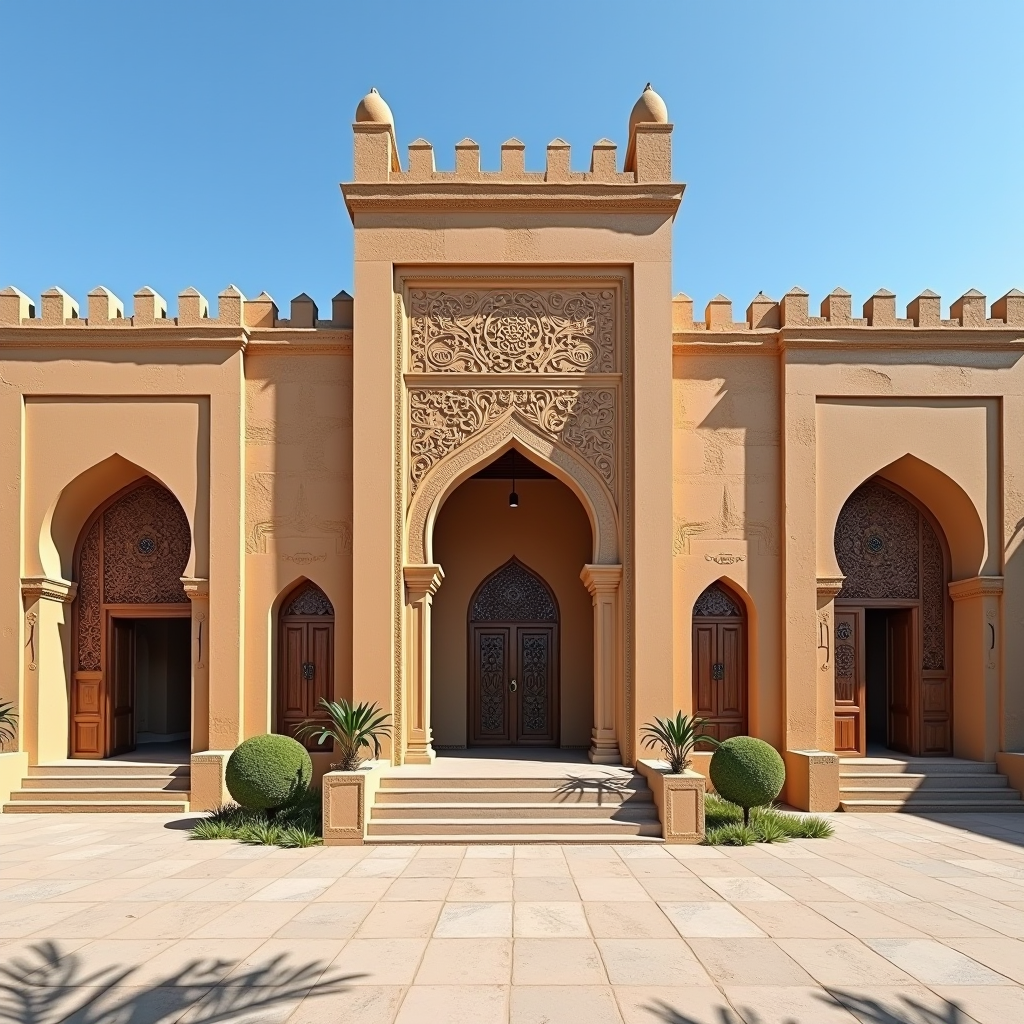
The building itself is a work of art, featuring traditional Islamic architectural elements including intricate wooden mashrabiya screens that filter natural light into the exhibition spaces, creating an ever-changing play of shadows and illumination that enhances the viewing experience. The restoration project, completed in 2018, carefully preserved the building's historical character while incorporating modern climate control systems essential for textile preservation.
The Coptic Collection: Christianity's Textile Legacy
The museum's Coptic textile collection represents one of the most comprehensive assemblages of early Christian Egyptian fabrics in the world. Dating from the 3rd to 12th centuries CE, these textiles reveal the sophisticated weaving techniques and artistic sensibilities of Egypt's Christian communities during a transformative period in the country's history. The collection includes tunics, shawls, wall hangings, and liturgical vestments that showcase the distinctive Coptic aesthetic characterized by bold geometric patterns, vibrant colors, and symbolic imagery.
One of the highlights is a remarkably well-preserved 6th-century tunic featuring intricate tapestry-woven panels depicting biblical scenes and Nilotic motifs. The piece demonstrates the technical mastery of Coptic weavers who could create incredibly detailed images using the tapestry weaving technique, where colored weft threads are woven only in specific areas to create patterns and pictures. The natural dyes used—including indigo for blues, madder for reds, and weld for yellows—have retained their vibrancy through the centuries, testament to both the quality of the dyes and the museum's excellent preservation efforts.
The Coptic weavers developed distinctive decorative motifs that blended Christian symbolism with traditional Egyptian imagery. Crosses, fish, and vine scrolls appear alongside lotus flowers, papyrus plants, and representations of the Nile. This synthesis of religious and cultural elements created a unique visual language that influenced textile production throughout the Mediterranean world. Many of these design elements would later be incorporated into Islamic textile traditions, demonstrating the continuity of artistic expression across religious and cultural transitions.
Interactive displays in this section allow visitors to examine the structure of Coptic textiles up close through high-resolution digital microscopy. These detailed views reveal the incredible fineness of the linen threads and the complexity of the weaving patterns, with some pieces featuring over 100 threads per inch. Educational panels explain how Coptic weavers achieved their characteristic color combinations and the symbolic meanings behind common motifs, providing context that enriches the viewing experience.
Islamic Era Textiles: Luxury and Innovation
The Islamic textile galleries showcase the extraordinary achievements of Egyptian weavers during the medieval period, when Cairo emerged as one of the world's premier textile production centers. From the 7th through the 16th centuries, Egyptian textiles were prized throughout the Islamic world and beyond, with pieces finding their way into European church treasuries and royal collections. The museum's collection includes stunning examples of tiraz fabrics—textiles bearing inscriptions in Arabic calligraphy that often included the name of the ruling caliph and the date and place of manufacture.
Among the most impressive pieces is a 14th-century Mamluk silk lampas featuring an intricate pattern of interlocking geometric shapes and stylized floral motifs in gold thread on a deep crimson background. This type of complex patterned silk required highly specialized looms and represented the pinnacle of medieval textile technology. The lampas weaving technique, which creates patterns through the use of supplementary warp and weft threads, allowed for the creation of richly textured fabrics with elaborate multi-colored designs that were highly valued for ceremonial garments and furnishings.
The museum Egypt collection also includes examples of the famous Egyptian linen production that continued throughout the Islamic period. While silk became increasingly important for luxury textiles, linen remained the fabric of choice for everyday clothing and household textiles. The finest Egyptian linen was so sheer and delicate that it was compared to woven air, and examples in the collection demonstrate the extraordinary skill of Egyptian linen weavers who maintained techniques passed down from Pharaonic times.
A dedicated section explores the role of textile production in Cairo's medieval economy, with displays showing the organization of textile workshops, the guild system that regulated production, and the trade networks that distributed Egyptian textiles across three continents. Historical documents and illustrations provide context for understanding how textile production shaped urban development and social structures in medieval Cairo, making this more than just an art museum but a window into the economic and social history of the city.
Traditional Weaving Techniques: Living Heritage
One of the museum's most engaging features is its working textile workshop, where visitors can observe master weavers demonstrating traditional techniques that have been practiced in Egypt for centuries. This living heritage program ensures that ancient skills are not lost to time but continue to be practiced and passed on to new generations. The workshop features several types of traditional looms, including horizontal ground looms similar to those used in ancient Egypt, vertical tapestry looms for creating pictorial textiles, and more complex drawlooms for patterned fabrics.
Visitors can watch as skilled artisans create textiles using methods unchanged for hundreds of years, from spinning thread on drop spindles to dyeing yarn with natural colorants extracted from plants, minerals, and insects. The workshop offers hands-on experiences where visitors can try their hand at basic weaving techniques, gaining a profound appreciation for the skill and patience required to create even simple textiles. These interactive sessions are particularly popular with families and provide an educational component that brings the historical artifacts to life.
The museum has partnered with rural weaving communities throughout Egypt to document and preserve regional textile traditions. Video presentations show weavers in Upper Egypt creating traditional tent fabrics with bold geometric patterns, Bedouin women in the Sinai producing intricately embroidered garments, and artisans in the Fayoum oasis weaving distinctive striped textiles. These contemporary practices demonstrate the continuity of Egypt's textile heritage and highlight the ongoing importance of handwoven textiles in Egyptian culture.
Educational programs at the museum include workshops on natural dyeing, basic weaving, and textile conservation. These programs serve both tourists interested in learning traditional crafts and local students studying textile arts and design. The museum's commitment to education extends beyond its walls through outreach programs that bring textile education to schools throughout Cairo, ensuring that knowledge of Egypt's textile heritage reaches the broadest possible audience.
Influence on Modern Egyptian Fashion
The museum's contemporary galleries explore how traditional Egyptian textile arts continue to influence modern fashion design. A rotating exhibition space features work by contemporary Egyptian designers who draw inspiration from historical textiles, reinterpreting traditional patterns, techniques, and motifs for modern audiences. These exhibitions demonstrate that Egypt's textile heritage is not merely historical but remains a living source of creative inspiration and cultural identity.
Recent exhibitions have showcased designers who incorporate traditional embroidery techniques into contemporary garments, create modern interpretations of Coptic tapestry patterns, and use natural dyes to achieve colors reminiscent of historical textiles. The museum serves as a bridge between past and present, helping contemporary designers understand and appreciate the technical and artistic achievements of their predecessors while encouraging innovation and creative expression.
The influence of historical Egyptian textiles extends beyond Egypt's borders, with international fashion designers regularly citing Egyptian textile traditions as inspiration. The museum's research library and archive provide resources for designers, scholars, and students studying textile history and design. High-resolution digital images of the collection are available for research purposes, and the museum actively collaborates with fashion schools and design programs to promote understanding and appreciation of textile heritage.
A special section examines the role of textiles in contemporary Egyptian identity, exploring how traditional garments and textile arts continue to play important roles in ceremonies, celebrations, and daily life. From the elaborate embroidered dresses worn at weddings to the handwoven shawls that remain popular accessories, traditional textiles maintain their cultural significance while adapting to modern tastes and lifestyles.
Planning Your Visit: Practical Information
The Textile Museum is located in the historic Islamic Cairo district, within walking distance of several other important cultural sites including the Al-Azhar Mosque and Khan el-Khalili bazaar. The museum occupies a restored 19th-century merchant's house on Sharia al-Muizz li-Din Allah, one of Cairo's most atmospheric medieval streets. The building itself is worth the visit, with its traditional courtyard, ornate wooden ceilings, and beautiful mashrabiya screens providing an authentic setting for the textile collections.
The museum is open Tuesday through Sunday from 9:00 AM to 5:00 PM, with extended hours until 7:00 PM on Thursdays. It is closed on Mondays and major Islamic holidays. Admission is 100 Egyptian pounds for international visitors and 50 pounds for students with valid identification. Egyptian nationals and residents pay reduced rates. Photography is permitted in most galleries without flash, though some special exhibitions may have photography restrictions. The museum offers free guided tours in Arabic and English at 10:00 AM and 2:00 PM daily, with additional tours in French and German available by advance reservation.
Plan to spend at least two to three hours exploring the museum's galleries and workshop demonstrations. The museum has a small café serving traditional Egyptian refreshments and light meals, as well as a gift shop offering high-quality reproductions of historical textile patterns, books on Egyptian textile history, and contemporary textiles created by local artisans using traditional techniques. All proceeds from the gift shop support the museum's conservation and education programs.
The museum is accessible by taxi or ride-sharing services, with the nearest metro station being Ataba, about a 15-minute walk away. The surrounding Islamic Cairo district is best explored on foot, and many visitors combine their museum visit with exploration of the nearby historic streets, mosques, and markets. The museum staff can provide maps and recommendations for exploring the neighborhood, and the gift shop sells excellent guidebooks to Islamic Cairo.
For those interested in deeper engagement with the collection, the museum offers specialized workshops and lectures throughout the year. Check the museum's website or contact them directly for information about upcoming programs, special exhibitions, and educational opportunities. The museum also maintains an active social media presence with regular posts about collection highlights, behind-the-scenes conservation work, and contemporary textile artists working in traditional techniques.
A Must-Visit Destination for Cultural Travelers
The Textile Museum offers a unique perspective on Egyptian history and culture that complements the more famous archaeological sites. While the pyramids and pharaonic temples showcase ancient Egypt's monumental achievements, the Textile Museum reveals the intimate, human side of Egyptian civilization through objects that were part of daily life across millennia. The textiles on display were worn, used, and cherished by real people, making them powerful connections to the past that resonate on a personal level.
For visitors interested in art, design, fashion, or cultural history, the museum provides invaluable insights into the development of textile arts and their role in Egyptian society. The combination of historical artifacts, working demonstrations, and contemporary applications creates a comprehensive picture of Egypt's textile heritage that is both educational and inspiring. The museum's intimate scale and thoughtful curation make it a refreshing contrast to Cairo's larger, more crowded museums, offering a contemplative space for appreciating the artistry and craftsmanship of Egyptian textile traditions.
Whether you're a textile enthusiast, a history buff, or simply a curious traveler seeking to understand Egypt beyond its most famous monuments, the Textile Museum deserves a place on your Cairo itinerary. The museum's dedication to preserving traditional techniques while fostering contemporary creativity ensures that Egypt's rich textile heritage continues to thrive and evolve. A visit museum Egypt experience here offers not just a glimpse into the past but also a window into the ongoing story of Egyptian artistic expression and cultural identity.
As you plan your Egyptian adventure, make time to discover this hidden gem where centuries of fabric artistry come alive through beautifully preserved artifacts, skilled demonstrations, and engaging exhibitions. The Textile Museum stands as a testament to the enduring importance of textile arts in Egyptian culture and offers visitors an enriching, memorable experience that will deepen their appreciation for Egypt's multifaceted cultural heritage.