Published on January 15, 2024
Ancient Egyptian Fashion Through Museum Exhibits: A Journey Through Pharaonic Style
Discover how museum exhibits across Egypt showcase the evolution of ancient Egyptian clothing, jewelry, and accessories through carefully preserved artifacts that reveal the sophistication of pharaonic fashion.
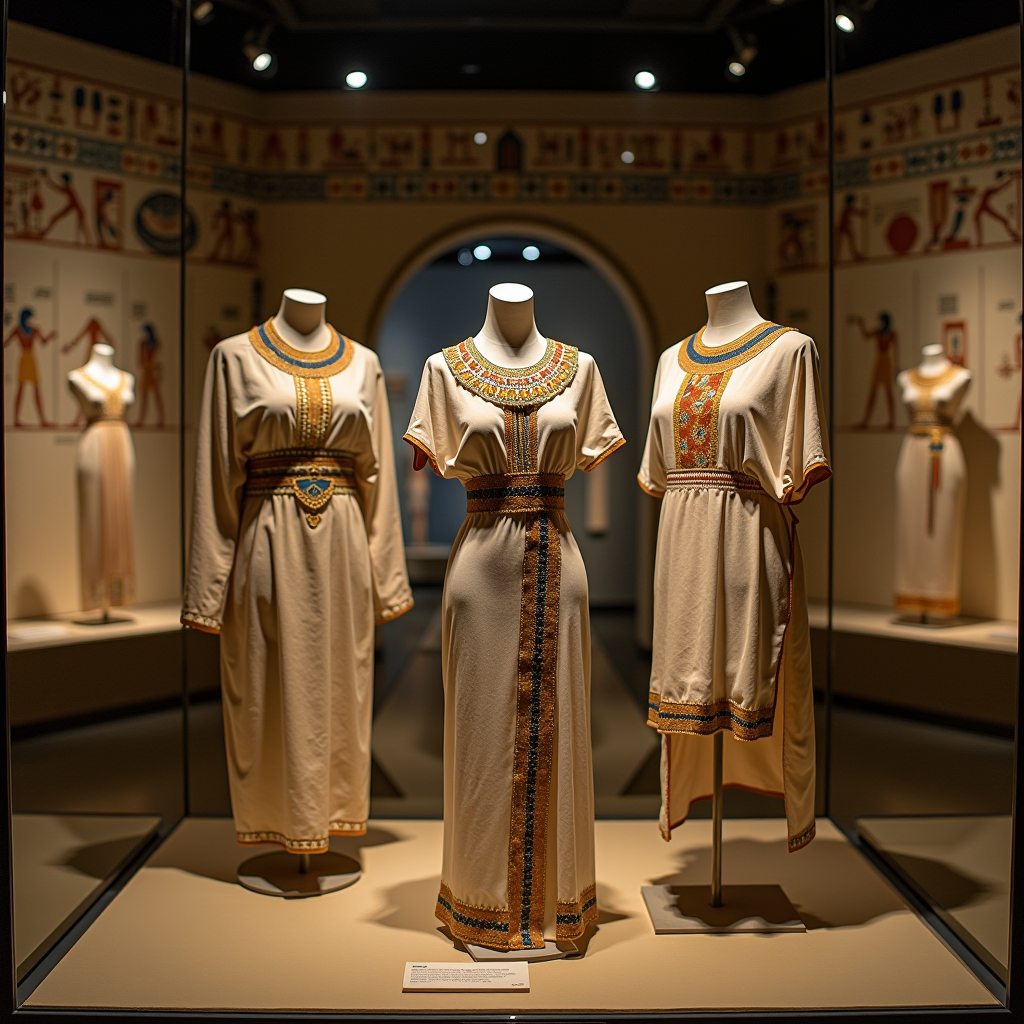
When you visit museum Egypt locations dedicated to ancient civilization, one of the most captivating aspects of pharaonic culture reveals itself through the remarkable preservation of clothing, jewelry, and personal adornments. These artifacts, carefully displayed in climate-controlled exhibits across the country, offer an intimate glimpse into the daily lives, social hierarchies, and aesthetic sensibilities of one of history's most sophisticated civilizations.
The fashion of ancient Egypt was far more than mere decoration—it was a complex language of status, religious devotion, and cultural identity that evolved over three millennia. Today's museum exhibits bring this ancient world to life, allowing visitors to understand how the Egyptians dressed, adorned themselves, and expressed their place in society through carefully chosen garments and accessories.
The Art of Linen: Ancient Egypt's Signature Fabric
The foundation of ancient Egyptian fashion was linen, a fabric so central to their culture that it appears in countless museum displays throughout Egypt. Made from flax plants that grew abundantly along the Nile, linen was prized for its lightness, breathability, and ability to keep wearers cool in Egypt's intense heat. Museum exhibits showcase linen garments ranging from coarse, everyday fabrics to incredibly fine weaves that were almost transparent—a luxury reserved for royalty and the elite.
When you visit museum Egypt collections, you'll notice that the quality of linen varied dramatically based on social status. The Egyptian Museum in Cairo houses examples of royal linen so finely woven that modern textile experts marvel at the skill required to produce such delicate fabric without contemporary machinery. These gossamer-thin garments, some with thread counts exceeding 200 per inch, demonstrate the extraordinary craftsmanship of ancient Egyptian weavers.
The color of linen also held significance. While most surviving garments appear white or cream-colored today, museum exhibits explain that ancient Egyptians preferred pristine white linen, which symbolized purity and was associated with religious rituals. The wealthy would change their white linen garments multiple times daily to maintain this appearance of cleanliness and status. Pleating was another sophisticated technique displayed in museum collections—intricate accordion-style pleats that required hours of careful work and demonstrated both wealth and fashion consciousness.
Museum displays often include tools and materials used in linen production, from spindles and looms to samples showing different weaving techniques. These contextual exhibits help visitors understand the labor-intensive process behind each garment and appreciate the skill of ancient craftspeople who transformed simple flax fibers into the elegant clothing that defined Egyptian fashion for thousands of years.
Royal Adornments: The Splendor of Pharaonic Jewelry
Perhaps no aspect of ancient Egyptian fashion captivates museum visitors more than the spectacular jewelry collections on display throughout Egypt. These pieces, crafted from gold, semi-precious stones, and faience, represent the pinnacle of ancient craftsmanship and reveal the Egyptians' sophisticated understanding of metallurgy, gemology, and design principles that remain influential today.
The treasures of Tutankhamun, prominently displayed at the Egyptian Museum in Cairo and soon to be featured at the Grand Egyptian Museum, include some of the most famous jewelry pieces in the world. The young pharaoh's golden death mask, pectoral ornaments, and elaborate collar necklaces showcase the extraordinary skill of ancient goldsmiths. These pieces weren't merely decorative—each element carried symbolic meaning, from the protective vulture and cobra on the death mask to the scarab beetles representing rebirth and transformation.
Museum exhibits across Egypt demonstrate how jewelry served multiple purposes in ancient society. Beyond indicating wealth and status, these adornments functioned as amulets offering magical protection, religious symbols connecting wearers to specific deities, and markers of official positions and titles. The broad collar necklaces, or wesekh, displayed in museum collections were particularly significant—these elaborate pieces, composed of multiple rows of beads in geometric patterns, were worn by both men and women of high status and appear frequently in tomb paintings and sculptures.
The materials used in ancient Egyptian jewelry tell their own story of trade, resources, and cultural values. Gold, abundant in Nubia to the south, was considered the flesh of the gods and used extensively in royal jewelry. Lapis lazuli, imported from Afghanistan, represented the night sky and was highly prized. Turquoise from the Sinai, carnelian from the Eastern Desert, and green feldspar all appear in museum collections, each stone chosen for its color symbolism and believed magical properties. Museum displays often include maps showing trade routes and source locations for these precious materials, helping visitors understand the extensive networks that supplied Egypt's jewelry workshops.
Symbolic Colors: The Language of Ancient Egyptian Fashion
Color played a crucial role in ancient Egyptian fashion, and museum exhibits dedicated to this topic reveal a sophisticated symbolic system that governed clothing and accessory choices. While white linen dominated everyday wear, colored elements in jewelry, belts, and decorative trim carried specific meanings that would have been immediately understood by ancient observers.
Museum displays explain that gold represented the eternal and imperishable—the color of the sun god Ra and the flesh of the gods themselves. This is why pharaohs and deities are so often depicted in golden hues in tomb paintings and why gold dominated royal jewelry collections. Blue, achieved through lapis lazuli and Egyptian faience, symbolized the heavens, the Nile, and fertility. Green, from malachite and feldspar, represented regeneration, new life, and the fertile lands along the Nile. Red, derived from carnelian and jasper, could signify both life and chaos, depending on context.
When you visit museum Egypt exhibitions focusing on color symbolism, you'll discover that black held special significance as the color of the fertile Nile silt and the underworld—representing both life-giving fertility and the realm of the dead. White symbolized purity and sacredness, which explains the preference for white linen in religious contexts. These color associations influenced not just clothing choices but also cosmetics, with green and black eye makeup serving both aesthetic and symbolic purposes.
Museum collections include numerous examples of colored beadwork, painted leather accessories, and dyed textiles that demonstrate how ancient Egyptians incorporated these symbolic colors into their fashion. Faience beads in brilliant blues and greens, carefully arranged in geometric patterns, show how color and design worked together to create pieces that were simultaneously beautiful and meaningful. Interactive museum displays sometimes allow visitors to explore how different color combinations would have been interpreted in ancient Egyptian society, making these abstract concepts more tangible and understandable.
Accessories and Personal Items: Completing the Ancient Look
Beyond clothing and jewelry, museum exhibits showcase the diverse array of accessories that completed an ancient Egyptian's ensemble. These items, from elaborate wigs and headpieces to sandals and cosmetic containers, reveal the attention to detail and personal grooming that characterized Egyptian fashion across all social classes.
Wigs hold a prominent place in museum collections, as both men and women of status wore them for formal occasions. These weren't simple hairpieces—they were elaborate constructions of human hair, sometimes supplemented with plant fibers, styled in complex braids, curls, and geometric patterns. Museum displays show how wig styles evolved through different periods, from the simple, shoulder-length styles of the Old Kingdom to the elaborate, multi-tiered creations of the New Kingdom. The wigs served practical purposes in Egypt's hot climate while also indicating social status and following fashion trends that changed over centuries.
Sandals, though simple in concept, varied greatly in quality and decoration. Museum exhibits include examples ranging from basic papyrus sandals worn by common people to elaborate leather and gold-decorated footwear reserved for royalty. The famous golden sandals of Tutankhamun, displayed in museum collections, feature intricate designs and demonstrate the luxury that could be lavished even on items that touched the ground.
Cosmetic containers and applicators form another fascinating category in museum displays. Ancient Egyptians of both genders used cosmetics extensively, and the containers for kohl (eye makeup), oils, and perfumes were often works of art themselves. Museum collections include alabaster jars, faience containers shaped like animals or deities, and wooden cosmetic boxes with multiple compartments. These items reveal the importance of personal grooming and the sophisticated beauty practices that were integral to ancient Egyptian fashion and daily life.
Evolution Through the Dynasties: Fashion's Changing Face
One of the most valuable aspects of museum exhibits across Egypt is their ability to show how fashion evolved over the three thousand years of pharaonic civilization. By arranging artifacts chronologically, museums allow visitors to trace changing styles, techniques, and aesthetic preferences through different periods of Egyptian history.
The Old Kingdom (circa 2686-2181 BCE) fashion, as represented in museum collections, emphasized simplicity and functionality. Men typically wore simple kilts, while women wore straight, ankle-length sheath dresses. Jewelry was relatively restrained compared to later periods, though still beautifully crafted. Museum displays from this era showcase the clean lines and geometric simplicity that characterized early Egyptian fashion.
The Middle Kingdom (circa 2055-1650 BCE) saw increased elaboration, with museum exhibits showing more complex jewelry designs and the introduction of new garment styles. The New Kingdom (circa 1550-1077 BCE) represents the height of Egyptian fashion sophistication, and museum collections from this period are correspondingly rich and varied. Garments became more elaborate, with pleating, draping, and layering creating complex silhouettes. Jewelry reached new levels of intricacy, and the variety of accessories expanded dramatically.
Museum exhibits also highlight how foreign influences affected Egyptian fashion during different periods. The Hyksos period introduced new styles from the Near East, while the Ptolemaic era saw Greek influences merge with traditional Egyptian aesthetics. These cultural exchanges, visible in museum collections, demonstrate that ancient Egyptian fashion was not static but constantly evolving, absorbing new ideas while maintaining distinctive Egyptian characteristics.
Preservation and Display: Bringing Ancient Fashion to Modern Audiences
The ability to view these ancient fashion artifacts today is a testament to both the preservation techniques of ancient Egyptians and modern conservation science. Museum exhibits across Egypt employ state-of-the-art climate control, lighting, and display methods to protect these fragile textiles, metals, and organic materials while making them accessible to visitors.
Many garments survived because they were placed in tombs, where Egypt's dry climate and sealed conditions prevented decay. Museum conservators work continuously to stabilize these materials, using techniques that balance preservation with public display. Textile fragments are often mounted on specially designed supports that distribute weight evenly, while lighting is carefully controlled to prevent fading and deterioration.
Modern museum displays increasingly use technology to enhance visitor understanding. Digital reconstructions show how fragmentary garments would have looked when complete and worn. Interactive displays allow visitors to explore jewelry pieces from multiple angles, revealing construction techniques and hidden details. Some museums have created replica garments that visitors can touch and examine, providing a tactile understanding of ancient fabrics and construction methods while protecting original artifacts.
The upcoming Grand Egyptian Museum promises to revolutionize how ancient Egyptian fashion is displayed, with dedicated galleries using the latest museological techniques to present these artifacts in their cultural context. Visitors will be able to see not just individual pieces but complete ensembles, understand the social contexts in which they were worn, and appreciate the craftsmanship that went into creating each element of ancient Egyptian fashion.
Planning Your Museum Visit
To fully appreciate ancient Egyptian fashion through museum exhibits, consider visiting multiple institutions across Egypt. The Egyptian Museum in Cairo houses the most comprehensive collection, including Tutankhamun's treasures. The Luxor Museum offers beautifully curated displays with excellent contextual information. The Nubian Museum in Aswan showcases regional variations in fashion and jewelry. The upcoming Grand Egyptian Museum will provide the most modern and comprehensive presentation of ancient Egyptian material culture, including extensive fashion collections.
Each museum Egypt location offers unique perspectives on pharaonic fashion, and together they provide a complete picture of how ancient Egyptians dressed, adorned themselves, and used fashion to express identity, status, and cultural values across three millennia of civilization.
Conclusion: Fashion as Cultural Legacy
The ancient Egyptian fashion artifacts preserved in museums across Egypt represent far more than historical curiosities—they are windows into a sophisticated culture that valued beauty, symbolism, and craftsmanship. Through carefully curated exhibits, these institutions allow modern visitors to understand how clothing, jewelry, and accessories functioned as complex systems of communication, expressing everything from social status and religious devotion to personal identity and aesthetic preferences.
The remarkable preservation of these materials, combined with modern conservation and display techniques, ensures that future generations will continue to marvel at the artistry and sophistication of pharaonic fashion. Whether examining the gossamer-thin royal linen, the intricate goldwork of ceremonial jewelry, or the symbolic color choices in beaded accessories, visitors to Egyptian museums encounter a civilization that understood fashion as both art and language.
As you plan your visit to museum Egypt locations, remember that each artifact on display represents countless hours of skilled labor, deep cultural knowledge, and aesthetic sensibility. These pieces connect us directly to individuals who lived thousands of years ago, who cared about how they looked, what they wore, and how they presented themselves to the world—concerns that remain remarkably relevant today. In this way, ancient Egyptian fashion, preserved and presented in modern museums, continues to inspire, educate, and fascinate visitors from around the world.